


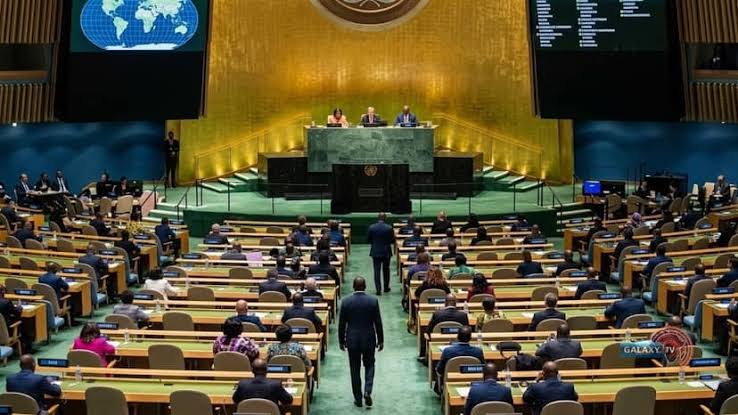
Nigeria has been elected to the United Nations Human Rights Council for the 2027–2029 term after securing 172 votes in an election conducted by the UN General Assembly on October 13, 2026.
The Federal Government announced the development on Wednesday, describing the result as an opportunity for Nigeria to strengthen its participation in international efforts to promote human rights, justice and fundamental freedoms.
Nigeria was elected alongside 14 other countries to serve on the 47-member council for a three-year term beginning January 1, 2027, and ending December 31, 2029.
The council, based in Geneva, Switzerland, is responsible for promoting and protecting human rights globally. Its work includes examining alleged violations, making recommendations to governments and providing a platform for international dialogue on civil, political, economic, social and cultural rights.
READ ALSO: Nigeria Calls For UN Reform, Stronger Global Cooperation At 81st UNGA
Nigeria’s election provides the country with an opportunity to contribute to discussions on human rights challenges affecting different regions, including conflicts, displacement, discrimination and access to justice.
The Ministry of Foreign Affairs said Nigeria appreciated the support of UN member states and reaffirmed its commitment to constructive dialogue, multilateral cooperation and the protection of human dignity.
The diplomatic achievement also places renewed attention on Nigeria’s domestic human rights record. Membership of the council carries responsibilities, including cooperation with its mechanisms and an expectation that elected countries uphold high standards in promoting and protecting fundamental freedoms.
For Nigerians living abroad, the development could influence conversations about the country’s international standing, democratic institutions and commitment to human rights. The diaspora community often engages with Nigeria’s reputation through diplomatic, professional, academic and civic networks in their countries of residence.
However, the election itself does not certify that Nigeria has resolved its human rights challenges. The council’s membership provides a platform for participation in international discussions, but the country’s credibility will also depend on its actions, policies and willingness to address concerns raised by citizens and international observers.
Nigeria’s new term will begin in January 2027, giving the government several months to prepare for its responsibilities within the council.
The coming years will test how effectively the country uses its position to support international cooperation while demonstrating progress in protecting rights at home.
For Nigeria, the opportunity extends beyond securing votes at the United Nations. It is also a chance to demonstrate that diplomatic recognition can translate into meaningful engagement, stronger institutions and greater respect for fundamental freedoms.


