


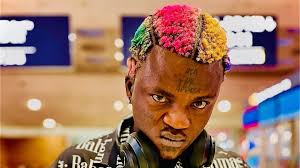
Habeeb Okikiola, popularly known as Portable, has found himself in a storm that many before him have faced—crossing the wrong lines in politics and power. The street-hop artiste, who built a reputation for being controversial and unapologetically raw, is now showing an unfamiliar side—remorse. But the big question remains: Why is Portable suddenly this humble?
It is no secret that in Nigeria, you can offend anyone, but when you challenge the government in power, the consequences can be severe. Portable’s recent run-in with the authorities is a stark reminder of this reality. His earlier outbursts and unfiltered statements, which once seemed like harmless street talk, have now put him in a difficult position. Suddenly, the same Portable who was once loud and defiant is pleading for mercy.
This isn’t just about him; it’s about a pattern we’ve seen before. The Nigerian entertainment and political space is littered with cases of individuals who thought their influence or street credibility made them untouchable—until they found themselves at the receiving end of state power. Whether it’s through legal troubles, financial setbacks, or outright blacklisting, the system has its way of humbling even the most reckless.
Portable’s situation offers a crucial lesson for opportunists—those who ride on the tides of controversy and align with power only when it suits them. Many entertainers and influencers have mastered the art of playing both sides, enjoying state favors while attacking perceived enemies. But as history has shown, when the chips are down, those in power do not hesitate to use individuals as examples to maintain control.
A key takeaway here is that power dynamics are not to be taken lightly. The government, especially in countries like Nigeria, operates with a different rulebook—one that doesn’t entertain disrespect, especially from perceived “small players.” Portable’s case proves that aligning with power for personal gain is one thing, but going against it, knowingly or unknowingly, is another ball game entirely.
Now that he has realized the gravity of his actions, the best move for him is damage control. Public apologies, strategic alignments, and possibly staying out of controversial political conversations for a while may help him regain his footing. But will that be enough?
The harsh reality is that in Nigeria, once you cross the government, forgiveness is not always immediate. Portable might have to deal with legal battles, financial strains, and possibly industry blacklisting before things return to normal—if they ever do.
Portable’s downfall serves as a cautionary tale for celebrities, social media influencers, and opportunists alike. In politics, loyalty is transactional, and the government’s patience is limited. If you must speak, speak wisely. If you must take sides, know the long-term consequences. And if you think being loud and controversial is a shield, remember that power always wins in the end.
Portable’s current humility is not just a change of character; it is survival. And for many watching, it’s a lesson best learned from afar.


