

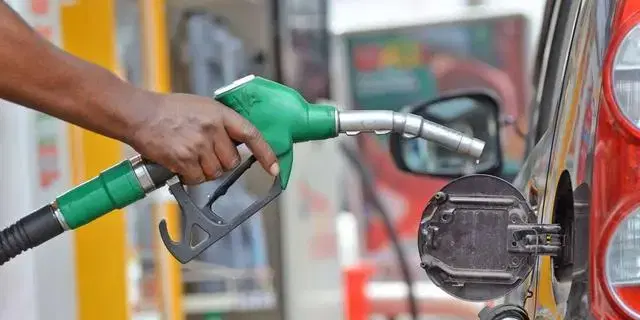
The Federal Government is negotiating a ceiling of ₦1,350 per litre on the landing or ex-gantry cost of petrol as part of measures to cushion Nigerians against rising fuel prices and reduce pressure on households and businesses.
Minister of Finance and Coordinating Minister of the Economy, Taiwo Oyedele, disclosed the proposal on October 8, explaining that the arrangement would help moderate fluctuations caused by movements in international crude oil prices and exchange rates.
Under the proposed mechanism, refiners and fuel importers would temporarily absorb costs exceeding the agreed ceiling and recover the difference when market conditions improve. The government says the arrangement is designed to smooth price movements rather than introduce a general fuel subsidy or impose permanent price controls.
The proposal comes amid growing concerns over the rising cost of petrol, transportation, food and other essential goods, with households and businesses struggling to adjust to higher operating expenses.
The government has also introduced additional measures to provide immediate relief. The Nigerian National Petroleum Company Limited (NNPC Ltd) agreed to forgo its retail profit margin for 30 days, selling petrol at cost at its retail stations, with priority given to commercial transport operators.
The initiative, announced on October 8, is intended to ease transportation costs and provide temporary support to vulnerable households. NNPC subsequently clarified that the arrangement does not represent a return to the former nationwide fuel subsidy regime.
READ ALSO: Nigeria Calls For UN Reform, Stronger Global Cooperation At 81st UNGA
However, the proposed ₦1,350 ceiling should not be confused with a fixed retail price at filling stations. The ex-gantry or landing cost covers the price of petrol at the refinery or import stage, while the final pump price may include transportation, distribution and retail expenses.
Consequently, motorists may not immediately see petrol selling at ₦1,350 per litre nationwide, even if the government successfully negotiates the proposed arrangement.
For Nigerians living abroad, the development has implications beyond the domestic energy market. Many Nigerians in the United Kingdom, United States, Canada and other countries regularly send money home to support parents, children and other relatives.
When fuel prices rise, families may require additional financial assistance to meet transport fares, food bills, electricity expenses and other household needs. Higher operating costs can also affect small businesses, reducing the purchasing power of recipients of diaspora remittances.
The proposed price-stabilisation mechanism could help households plan their expenses more effectively if it succeeds in reducing sudden fuel-price increases. However, its overall impact will depend on implementation, the frequency of price reviews and the willingness of refiners and importers to participate.
The government has said the proposed ceiling would be reviewed monthly, with the relevant figures published to improve transparency. Officials are also considering other measures, including forward crude sales to domestic refiners, to reduce exposure to international price volatility.
The renewed debate over petrol pricing has also revived questions about the long-term direction of Nigeria’s energy reforms. While the government maintains that restoring a broad fuel subsidy would place significant pressure on public finances, critics argue that rising living costs require stronger intervention to protect households.
The challenge for policymakers is to provide meaningful relief without creating additional financial burdens that could undermine public spending on healthcare, education, infrastructure and security.
For millions of Nigerians, the immediate concern remains whether the measures will translate into lower transportation costs and more affordable essential goods.
For the diaspora community, any sustained reduction in household expenses could ease the financial pressure on relatives who depend on money sent from overseas.
As negotiations continue, Nigerians will be watching closely to determine whether the proposed price ceiling can deliver greater stability at the pump and provide lasting relief from the rising cost of living.
