
Events
Ambassador Ibrahim Mohammed Bashir Honored with Prestigious Michika Traditional Title

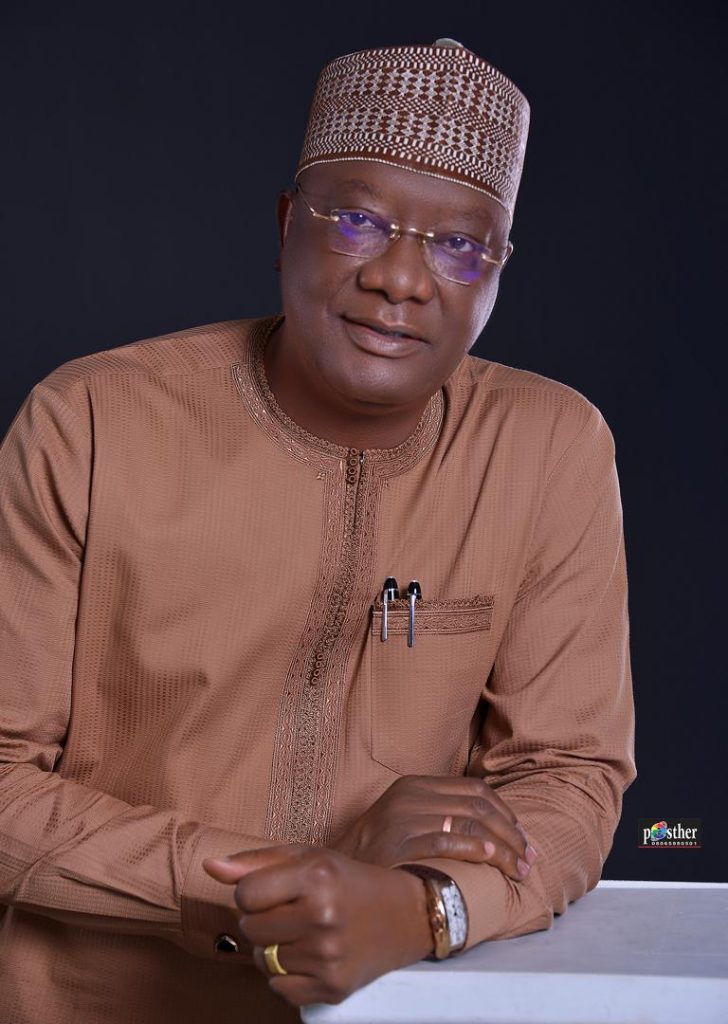
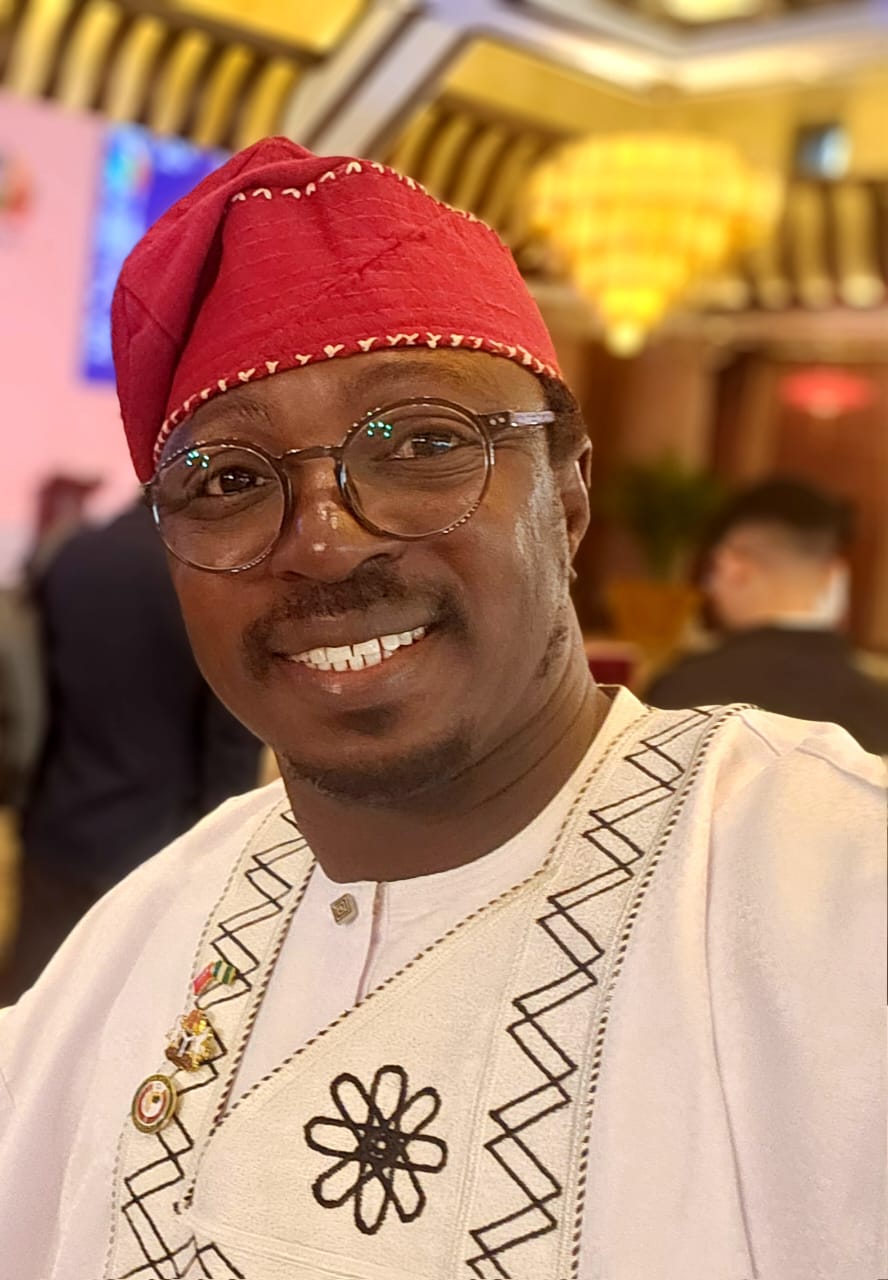
The Michika Traditional Council, located in Michika Local Government Area of Adamawa State, northeastern Nigeria, has bestowed one of its most distinguished honors on Ambassador Ibrahim Mohammed Bashir, OFR, conferring on him the revered title of Kambie ra Mwəcəka — The Noble/Administrator of Michika.
Michika town, near the border with Cameroon, is historically significant and predominantly inhabited by the Kamwe people. The community is known for its rich cultural heritage, including a longstanding system of chieftaincy and council titles that recognize service, leadership, and contributions to the Chiefdom.
The recognition came during a special conferment ceremony where members of the Michika Traditional Council were celebrated for their service, contributions, and unwavering dedication to the Chiefdom.
At the official presentation of letters, His Royal Majesty, Mbege Ka Michika, Prof. Bulus Luka Gadiga, described the conferment as a mark of exemplary character, rooted in the age-long customs, traditions, and governing laws of Michika. He commended Ambassador Bashir for his distinguished service to the nation and his community, noting that the honor reflects both his noble qualities and the trust reposed in him by the people.
The Monarch further emphasized that the title Kambie ra Mwəcəka symbolizes administration, wisdom, and leadership — virtues that Ambassador Bashir has embodied throughout his career in diplomacy and public service.
Ambassador Ibrahim Mohammed Bashir is a seasoned diplomat and public servant whose career has been marked by distinction, dedication, and remarkable achievements. Over the years, he has represented Nigeria with honor on the global stage, contributing to bilateral and multilateral engagements that strengthened Nigeria’s diplomatic standing.
As a recipient of the Officer of the Order of the Federal Republic (OFR), Ambassador Bashir’s impact extends beyond diplomacy. He has been a strong advocate for community development, youth empowerment, and initiatives that bridge cultural and economic gaps within Nigeria and across borders. His leadership style, characterized by humility, discipline, and vision, has earned him widespread respect both at home and abroad.
While several other distinguished personalities were also honored during the conferment ceremony — including Maj. Gen. Bitrus Kwaji (OON, Rtd.), Maj. Gen. Markus Ghinga Kangye, Ctr. Elisha Luka Gadiga (Rtd.), Hon. Adamu Kamale, Haj. Halima Buba (OON), Hon. Augustina Wandamihya, Dr. Amos Sini Thakuma, Alh. Abubakar Isa, Mr. Sylvester D. Wada, Mr. Joseph Takwale, and Hon. Paul Danbiyu Tumba — the title conferred on Ambassador Bashir stands as a timeless recognition of his role as a custodian of Michika’s values.








diplomacy
Equatorial Guinea 2035: A Bold Vision for Sustainable, Inclusive, and Globally Integrated Growth



500 Vacancies Unfilled: Why Nigerian Companies Must Invest in Training Talent By Naija Diaspora Magazine

Cynthia BULOT

Equatorial Guinea 2035: A Bold Vision for Sustainable, Inclusive, and Globally Integrated Growth


-
 diplomacy2 months ago
Dr Chantal Moussokoura Fanny
-
diplomacy2 months ago
Raphael Bamidele Oni: Framing Global Diplomacy Through Lens & Leadership
-
Business2 months ago
UBA Cameroon and MINJEC Renew Strategic Partnership to Accelerate Youth Financial Inclusion in Cameroon
-
diplomacy2 months ago
Dr Chantal Fanny Diaby
-
diplomacy2 months ago
Brice Arsène Mankou
-
diplomacy2 months ago
Dada Oludayo AIGBE CEO & MD, Confidence Cargo Limited
-
diplomacy1 month ago
Cynthia BULOT
-
Magazine4 weeks ago
500 Vacancies Unfilled: Why Nigerian Companies Must Invest in Training Talent By Naija Diaspora Magazine