

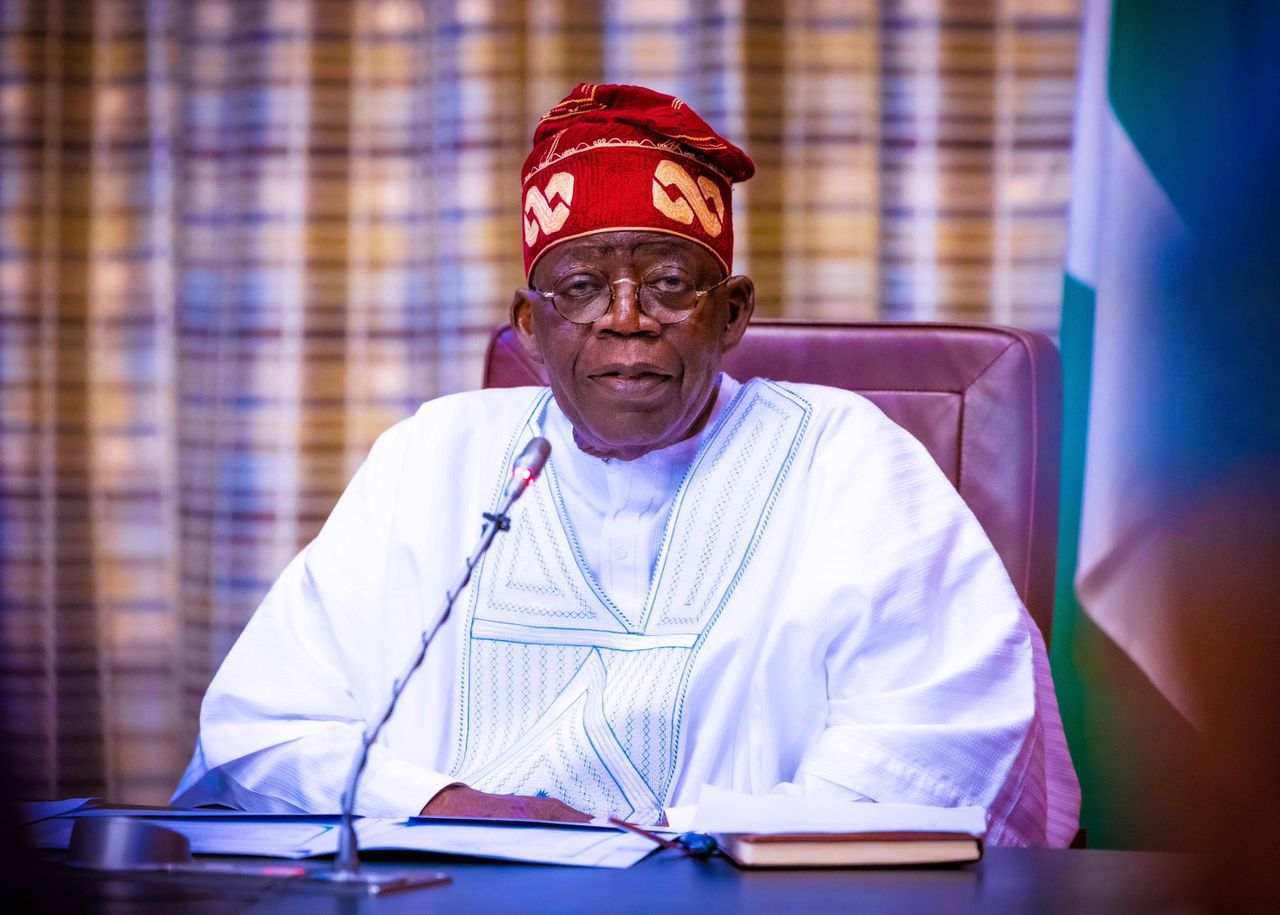
In an unprecedented move, President Bola Ahmed Tinubu has declared a state of emergency in Rivers State, citing prolonged political instability, constitutional breaches, and security concerns. This historic decision underscores the president’s resolve to uphold democratic governance and ensure that no state descends into chaos under his watch.
With immediate effect from March 18, 2025, Governor Siminalayi Fubara, his deputy, Ngozi Odu, and all elected members of the Rivers State House of Assembly have been suspended for an initial period of six months. In their place, President Tinubu has appointed Vice Admiral Ibokette Ibas (Rtd) as the Administrator of the state. The retired naval officer is tasked with stabilizing governance, ensuring security, and overseeing the state’s affairs in the interest of the people.
The Crisis That Led to Emergency Rule
Rivers State has been embroiled in a deep political crisis that has stalled governance and divided the leadership. The situation escalated when Governor Fubara, for reasons widely criticized, demolished the state’s House of Assembly complex in December 2023, leaving the legislative arm of government paralyzed. For over a year, there was no effort to rebuild the assembly, effectively leaving Rivers State without a functioning legislature.
Despite multiple interventions by the presidency, political leaders, and well-meaning Nigerians, the crisis persisted. The Supreme Court, in its ruling on February 28, 2025, condemned the governor’s actions, stating unequivocally that his attempt to govern without a legislature was unconstitutional and amounted to despotism. The court affirmed that the 27 lawmakers who had allegedly defected were still valid members of the Assembly and should not be prevented from carrying out their duties.
The situation worsened when armed militants, reportedly sympathetic to the governor, issued threats against perceived political enemies. More alarmingly, intelligence reports confirmed acts of vandalism against critical oil infrastructure, yet the governor failed to take decisive action. Faced with a deteriorating security situation, President Tinubu had no choice but to act.
Why This Move Is Significant
President Tinubu’s decision marks a turning point in Nigerian governance. It serves as a stern warning to other state leaders that political instability and unconstitutional governance will not be tolerated. For the first time in recent history, a Nigerian president, with no military background, has used executive power with remarkable precision to enforce stability.
Unlike past leaders who may have hesitated in the face of political turmoil, Tinubu has demonstrated that he is willing to take bold and constitutional steps to maintain order. His decision reaffirms that political power must be exercised within the boundaries of the law, and any deviation will be met with swift federal intervention.
The Role of the Administrator
Vice Admiral Ibokette Ibas (Rtd), the newly appointed Administrator of Rivers State, will function as the chief executive of the state for the next six months. His responsibilities include:
Restoring peace and order in the state.
Ensuring the smooth running of government institutions.
Facilitating cooperation between federal agencies and the state’s civil service.
Overseeing security operations to protect lives, property, and key infrastructure.
Implementing necessary administrative policies while ensuring that no new laws are made without federal approval.
Notably, the judiciary in Rivers State remains unaffected by the emergency rule, allowing legal processes to continue without interference.
Implications for Nigerian Politics
This intervention sets a precedent for how political crises will be handled in the future. It is a direct message to state governors and political actors that Nigeria’s democracy will not be hijacked by personal interests or power struggles. The move also highlights Tinubu’s political strength, showing that he is not afraid to wield power when necessary.
While opinions on the emergency rule may be divided, one thing is certain: Rivers State needed urgent intervention. The people of the state deserve functional governance, security, and access to democratic dividends. If state leaders fail in their duties, the federal government has shown that it will step in to restore order.
What Comes Next?
With Rivers State under emergency administration, the focus will now be on stabilizing the state and ensuring a peaceful transition back to normal governance. The next six months will be crucial in determining whether the intervention successfully restores order or deepens the political divide.
For now, one message is clear—underestimating President Tinubu is a mistake. His tenure, potentially extending to 2031, will be defined by a leadership style that combines political acumen with decisive action. Rivers State is just the first test, and the rest of Nigeria will be watching closely.
Conclusion
As the nation absorbs the implications of this landmark decision, Nigerians must reflect on the importance of political stability, constitutional governance, and leadership accountability. The Rivers State crisis is a lesson for all states: where instability reigns, the federal government will not hesitate to act.
